Free assessment
Understand what your body is telling you
No account needed. Get personalised suggestions instantly.
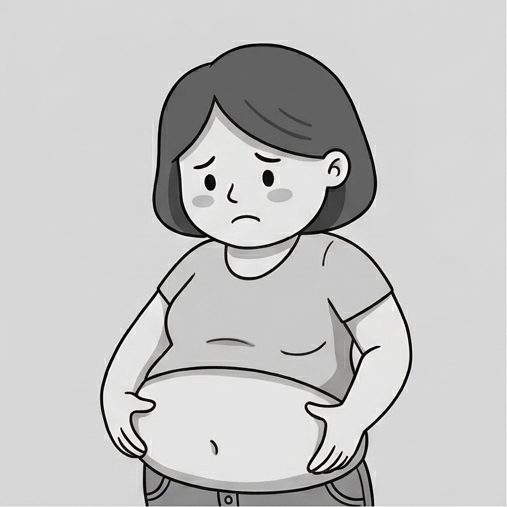
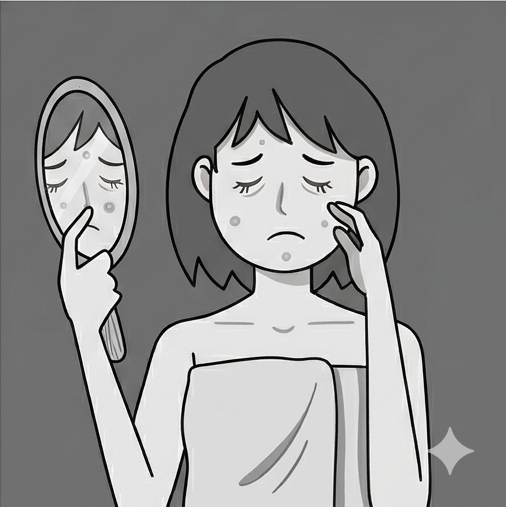
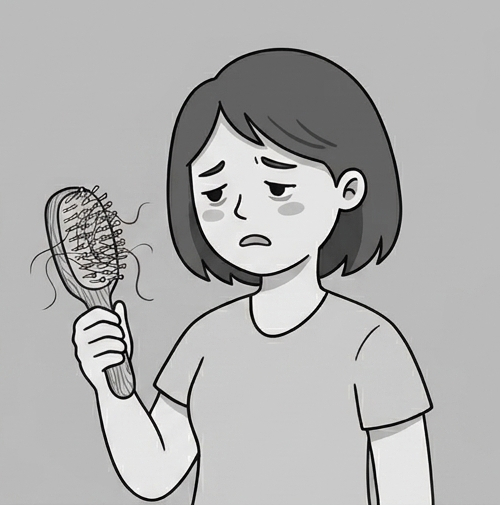
Do you experience any of these?
1 in 10 women are affected by PCOS globally--Most don't even know it
PCOS affects 6-13% of women of reproductive age worldwide.
Up to 70% of people with PCOS go undiagnosed.
Global PCOS cases nearly doubled between 1990 and 2021.
Despite the name, not everyone with PCOS has ovarian cysts.
Insulin resistance affects up to 95% of people with PCOS who have obesity.
Did you know? Insulin resistance affects up to 70% of women with PCOS — even those who aren't overweight.
Over half of people with PCOS develop type 2 diabetes before age 50.
PCOS raises the risk of heart disease, metabolic syndrome, and endometrial cancer.
Depression is 2-3x more common in women with PCOS.
Anxiety affects up to 57% of women with PCOS, versus 18% in the general population.
Weight loss is often harder with PCOS due to insulin resistance, but not impossible.
PCOS costs an estimated $7.9 billion a year globally in healthcare spending.
"I spent ₹50,000 on a course to finally get real answers about my own PCOS. I built Bloome so you don't have to."
--Sukanya Pawal, Founder
Symptoms:
Our bodies were built to move — but modern life doesn't ask them to anymore.
A century ago, daily life meant constant movement — washing by hand, cooking from scratch, carrying water. Today? We sit. For hours. Every day.
Technology made life easier, but our bodies haven't caught up. We evolved over thousands of years to stay active — and that shift has hit women's reproductive health hard.
The good news? You don't need to go back in time. Small, consistent lifestyle changes — the right movement, the right food, the right habits — can make a real difference.
Your body isn't broken. It's overwhelmed. Think of it like a bottle with tiny cracks. Each crack represents a hidden root cause of your PCOD/PCOS. Eating well and exercising help, but they aren't enough on their own. This condition needs specific care: the right workout for your body, not gym routines designed for men,which can in fact worsen symptoms in some women and the right diet for your needs, not just a "balanced" one. Fix all the cracks, and your body can finally heal.
Causes:
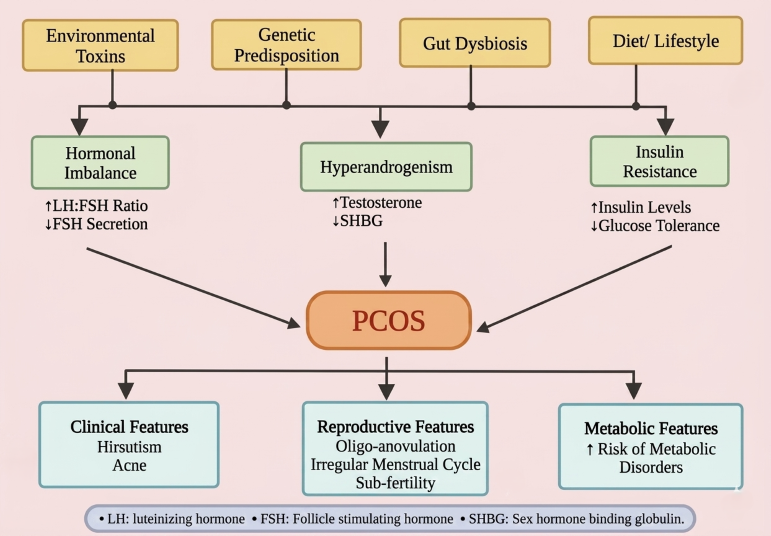
The exact cause is unknown, but several factors work together:Long-Term Health Risk:
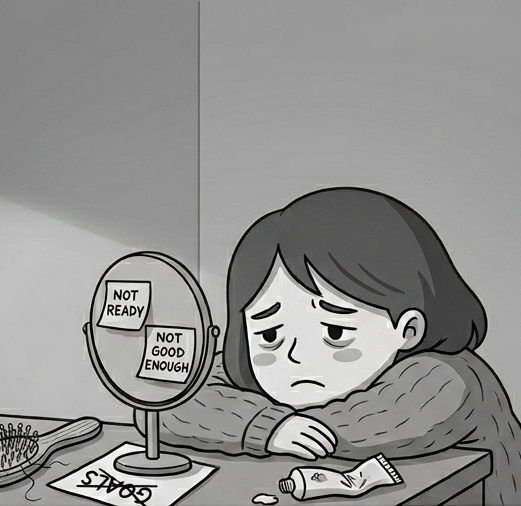
PCOS doesn't just affect your body. It affects your entire life. What people don't talk about enough is what happens beyond the physical. It can affect confidence too.
When your body is tired, it can be hard to show up for work, school, or everyday tasks. Motivation vanishes. Careers can decline. Unkind comments from friends, family, or even strangers can hurt you, especially when you're already fighting low confidence.
The outcome is stress, anger, anxiety, and withdrawal from social situations. Here's the harsh reality: stress worsens PCOS. Increased stress leads to higher cortisol levels, causing more hormonal imbalances and worsening symptoms. It creates a chain reaction that feeds on itself.
Body affects mind. Mind affects body. And the cycle goes on.
That's why PCOS feels so hard to escape. It's not just one problem — it's many, all connected, making each other worse.
Understanding the chain is the first step to breaking it.
The Good News is PCOS can be reversed naturally. Following tips are worth-noting to help you heal naturally. If you want to get
personalised suggestions, create account
Diet-Eat to support your hormones
Exercise
Research
Absent or irregular periods are almost a sign of hormonal imbalance. But, the cause isn't always the same. Understanding which hormones are involved is the first step to making the right lifestyle changes.
Multiple causes
PCOS is common, but thyroid issues, stress, and low body weight can cause the same symptoms.
Hormones are the key
Each cause disrupts a different hormone - identifying which one shapes the right approach.
Lifestyle matters
Diet, exercise, and sleep have measurable effects on hormonal balance, backed by research.
Common causes at a glance:
PCOS
Ovulation stalls due to excess androgens and insulin resistance.
Thyroid disorder
Both hypo and hyperthyroidism can disrupt the menstrual cycle.
Chronic stress
High stress suppresses estrogen, signalling the body to stop reproduction.
Low body weight/underating
Energy deficiency shuts downs reproductive hormones as a protective response.
About Us
For her, by her.
We started this for one simple reason - too many women in their reproductive years don't really know what's going on inside their bodies.
Irregular periods, mood swings, weight changes... and instead of answers, they're often pushed toward expensive treatments that only help for a little while, not the actual cause.
We wanted to change that.
Just fill out our assessment form, or create a free account to get a deeper, more personalised look at what your hormones might be telling you. No guesswork, no jargon - just clarity.
Note: We're here to educate you, not replace your doctor. Think of us as the friend who helps you understand your body a little better, so your next visit to your gynecologist or dietician is more informed, not the other way around.